Back-to-school shopping usually means notebooks, new shoes, lunch boxes, and a few fresh outfits. One mom took that familiar routine to another level when she revealed that preparing her kindergarten-aged daughter for school cost a whopping $2,000.
Her TikTok video quickly attracted attention because the number sounded enormous for a child just starting kindergarten. Viewers saw piles of school gear arranged across her living room floor, and the haul soon sparked a wider conversation about school expenses, private education, popular brands, and the pressure parents feel during shopping season.
The $2,000 total looks even more striking next to national spending estimates. However, there is an important detail behind that headline number. Most of the money did not go toward trendy sneakers, fancy lunch containers, or unnecessary extras.
A required private school uniform bill accounted for $1,200 of the total. That single expense changes the story considerably and shows how quickly school costs can climb when parents have limited control over where certain items come from.
What Was Inside the Viral $2K Back-to-School Haul?
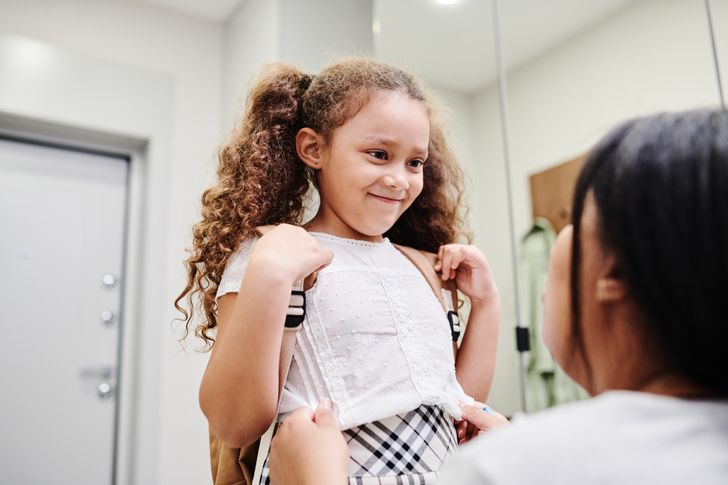
Lily / Pexels / The mother had purchased several lunch containers, water bottles, clothes, sneakers, and a coordinated set of school accessories for her daughter.
One of the more expensive purchases was a Pottery Barn Kids backpack and matching accessories. The complete set reportedly cost about $280, making it a noticeable part of the haul even before clothing and footwear entered the picture.
The child also received sneakers from New Balance and Nike. Her new clothes came from more budget-friendly retailers, including Walmart and Target. The mix shows that the mother was not simply shopping at premium stores for every item.
Still, the sheer amount of gear caught people’s attention. Multiple containers, bottles, shoes, clothes, and coordinated accessories can add up quickly, especially when parents buy everything before the first day instead of spreading purchases across several months.
Then came the detail that explained most of the $2,000 bill. The mother’s daughter attends a private school that requires students to wear specific uniforms purchased through a designated supplier. Those mandatory uniforms cost approximately $1,200. The mother could not simply head to a discount store, find similar colors, and create cheaper versions of the required outfits. The school’s purchasing rules left far less room to cut that part of the budget.
Once the $1,200 uniform cost is removed, the rest of the haul comes to roughly $800. That still represents a substantial amount for one kindergartner, but it lands much closer to commonly cited estimates for family back-to-school spending.
The distinction matters because viral videos can lose context as they spread. A “$2,000 kindergarten haul” sounds very different from an “$800 haul plus $1,200 in mandatory private school uniforms.” Both descriptions involve the same total, but they tell very different stories about the family’s choices.
Back-to-School Shopping is Getting More Complicated
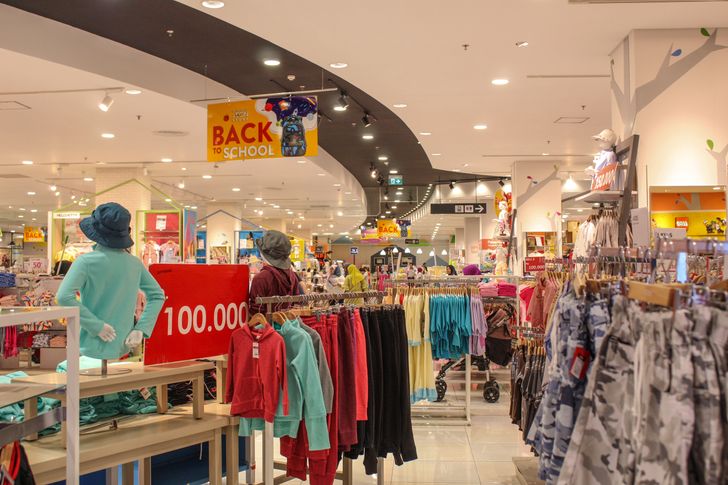
Chris / Pexels / The viral TikTok video arrives during a tense 2026 back-to-school shopping season. Many parents are watching prices closely and thinking harder about every purchase.
Economic concerns remain high among families. Around 57% of surveyed parents expect the economy to worsen during the next six months, marking the highest level recorded since 2020. That anxiety is influencing how families plan their school shopping.
The total K-12 back-to-school market is projected to reach about $30.4 billion. Average spending per child is expected to remain around $557, but that figure represents a 6% year-over-year decline after adjusting for inflation. Other estimates put average family spending higher, at roughly $864 to $920. Differences between surveys can reflect what purchases researchers count, the ages of the children involved, household size, and other factors.
Parents are also becoming more aggressive about finding savings. Around 31% now fall into a group described as “hyper-value seekers,” meaning they use four or more methods to reduce their back-to-school costs.
Saving money no longer means simply finding the cheapest notebook or backpack. Families may compare prices online, wait for sales, reuse supplies from last year, shop at several retailers, choose store brands, or delay purchases that are not immediately necessary.