Andrew Carnegie left behind more than steel mills and staggering wealth. He also left a bold idea that still sparks debate more than a century later. His famous line, “The man who dies rich dies disgraced,” remains one of the strongest statements ever made about money and responsibility.
However, Carnegie was not attacking wealth itself. He believed success deserved respect when it came through hard work and smart decisions. His real target was wealthy people who held onto enormous fortunes until death instead of using that money to improve society. That belief still echoes through boardrooms, charity foundations, and billionaire circles today.
Andrew Carnegie Saw Wealth as a Responsibility
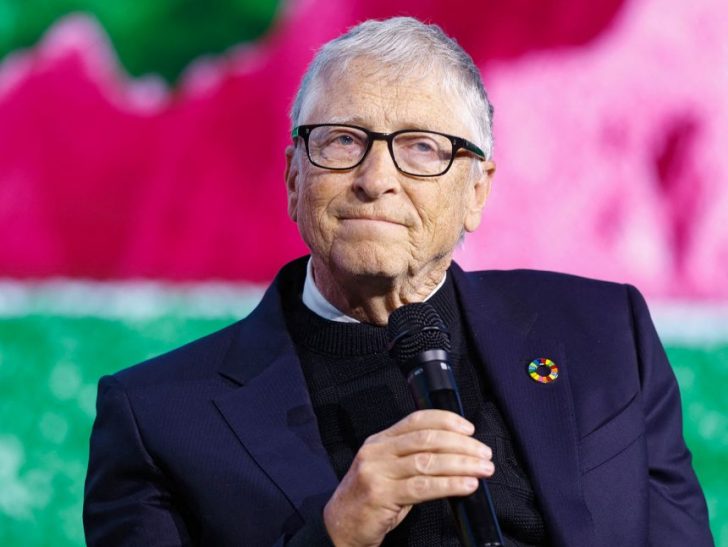
Gates Foundation / Carnegie first shared this philosophy in his 1889 essay “Wealth,” which later became widely known as “The Gospel of Wealth.”
His argument was simple but powerful. Rich people were not the true owners of vast fortunes. They were trustees who had a duty to manage that money for the benefit of everyone.
He believed leaving millions untouched after death showed poor judgment, not success. Carnegie even predicted that a wealthy person who died without sharing their fortune would pass away “unwept, unhonored, and unsung.” His verdict was harsh because he viewed unused wealth as a missed opportunity to solve real problems while the donor was still alive.
Carnegie also believed timing mattered. He argued that giving during life allowed donors to see the impact of their money. They could guide projects, fix mistakes, and make sure every dollar achieved something meaningful. Waiting until death handed those choices to lawyers, heirs, or professional managers who might never understand the donor’s original vision.
Bill Gates and Warren Buffett Turned Carnegie’s Words Into Action
Few people have embraced Carnegie’s thinking as openly as Bill Gates and Warren Buffett. Their Giving Pledge, launched in 2010, encourages billionaires to give away at least half of their wealth during their lifetime or through their wills. The campaign has attracted hundreds of wealthy signatories from around the world.
Buffett has repeatedly pointed to Carnegie’s essay as a major influence on his own thinking. Instead of leaving his fortune to his children, he has donated more than $60 billion and plans to completely distribute his Berkshire Hathaway shares by 2034. His view is clear. Money should keep working for society instead of sitting in investment accounts.
Bill Gates has echoed the same belief. He has publicly said he does not want people to say he “died rich.” Gates plans to give away 99 percent of his fortune by 2045. Through the Gates Foundation, he and Melinda French Gates have already directed more than $100 billion toward global health, education, and poverty reduction, with another $200 billion expected to be distributed before the foundation closes on December 31, 2045.
Not Every Billionaire Accepts Carnegie’s Moral Challenge
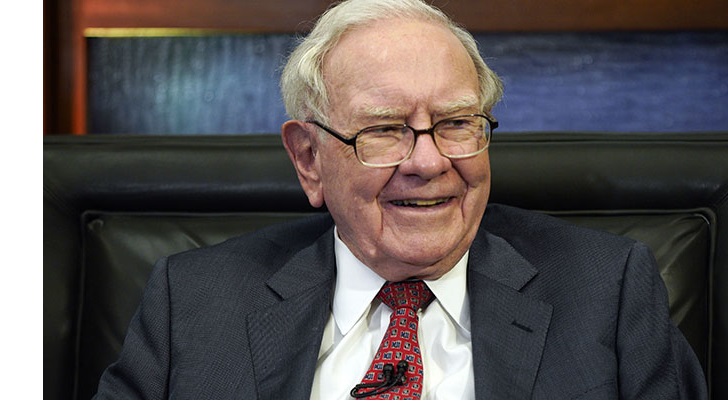
E News / Carnegie’s famous statement continues to divide opinions. Some billionaires see giving as a moral duty.
Others believe wealth belongs entirely to the person who earned it, with no obligation to satisfy public expectations.
Peter Thiel has openly questioned the Giving Pledge and the pressure surrounding billionaire philanthropy. He argues that public campaigns encouraging large donations can threaten personal freedom and long-term family goals. That position directly challenges Carnegie’s belief that extraordinary wealth comes with unavoidable social responsibility.
The debate has become even more relevant because wealth inequality remains a major global issue. Many economists compare today’s concentration of wealth with the Gilded Age that Carnegie experienced. Some even argue that modern fortunes have grown larger and more influential than those of his own time.