Accenture CEO Julie Sweet is urging investors to focus on the bigger picture after a brutal market reaction wiped nearly 20% off the company’s stock price in a single day. The selloff followed Accenture’s fiscal third-quarter earnings report on June 18, 2026. Although the company delivered stronger-than-expected profits, investors were not convinced by its growth outlook.
Shares have now fallen roughly 50% from where they traded a year ago, putting pressure on management to explain why its massive investment in artificial intelligence will pay off.
“We are in a transition period,” Sweet said on NBC, emphasizing that enterprise-wide AI adoption is a process that “will take some time” before it fully shows up in financial results.
Strong Profits Could Not Stop the Selloff
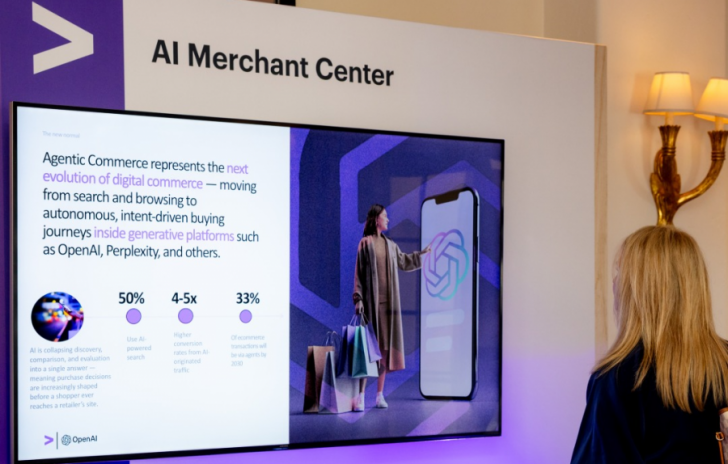
Accenture / IG / Accenture posted earnings per share of $3.80, beating analyst expectations and demonstrating continued profitability despite a challenging business environment.
However, revenue told a slightly different story. Accenture generated about $18.7 billion during the quarter, narrowly missing Wall Street forecasts of $18.8 billion. While the difference appeared small, investors were already watching closely for signs that growth was slowing.
Another key metric raised concerns. New bookings, often viewed as a leading indicator of future revenue, slipped 2% year over year to $19.3 billion. That decline suggested some clients may be moving more cautiously with spending decisions. Investors interpreted the drop as a warning sign that demand could remain uneven over the coming quarters.
Management added to those concerns by trimming its full-year revenue growth forecast. Accenture now expects annual growth between 3% and 4%, down from its previous projection of 3% to 5%. While the adjustment was modest, the market viewed it as confirmation that near-term momentum remains under pressure.
Julie Sweet Says Investors Are Missing the AI Story
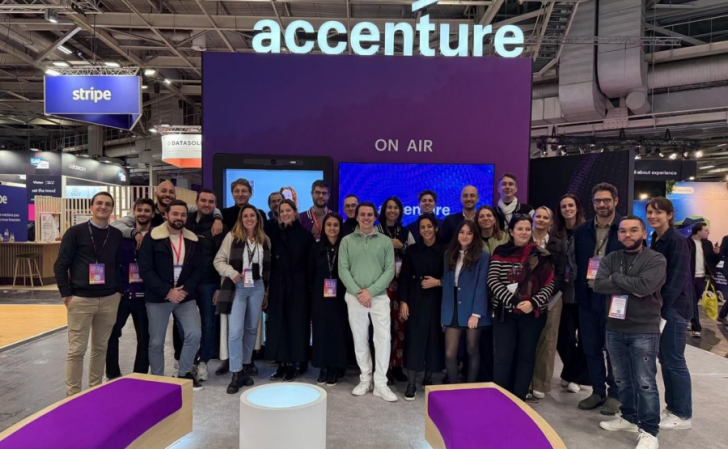
Accenture / IG / The 59-year-old Accenture CEO believes many investors are focusing too heavily on short-term results while overlooking a much larger transformation taking place inside the company.
According to her, Accenture is positioning itself for an AI-driven future that will unfold over several years. The company expects artificial intelligence to reshape consulting, technology services, cybersecurity, and managed operations across nearly every industry.
Sweet described this opportunity as an “AI tailwind” that could drive sustained growth once companies move beyond experimentation and begin deploying AI systems at scale.
The CEO also highlighted positive signs elsewhere in the business. Consulting sales improved during the quarter, while managed services revenue reached approximately $9 billion.
Those figures suggest demand remains healthy in several important segments. Management believes these trends support the company’s long-term thesis despite current market skepticism.
It is essential to note here that AI is not the only factor influencing Accenture’s outlook. The company is also navigating a challenging global environment that has complicated business planning. Management cited ongoing conflict in the Middle East as a significant source of disruption during the quarter. According to company estimates, the situation reduced revenue by approximately $100 million.
The broader impact on sales was even larger. Accenture estimated that lost opportunities and delayed activity affected bookings by nearly $400 million. Executives expect some of those headwinds to continue. That uncertainty makes forecasting more difficult and adds another layer of concern for investors already nervous about slowing growth.