Walmart delivered a strong first quarter for fiscal 2026, beating revenue expectations and posting healthy profit growth. On the surface, the numbers looked impressive. Sales climbed, earnings improved, and key growth businesses continued to gain momentum. Yet investors focused on a different story.
Behind the solid results, Walmart executives pointed to signs that many shoppers are feeling pressure. Higher fuel prices are forcing lower-income households to make tougher spending decisions. That warning overshadowed an otherwise strong quarter and sparked a sharp selloff in Walmart stock.
Strong Results Were Not Enough for Wall Street
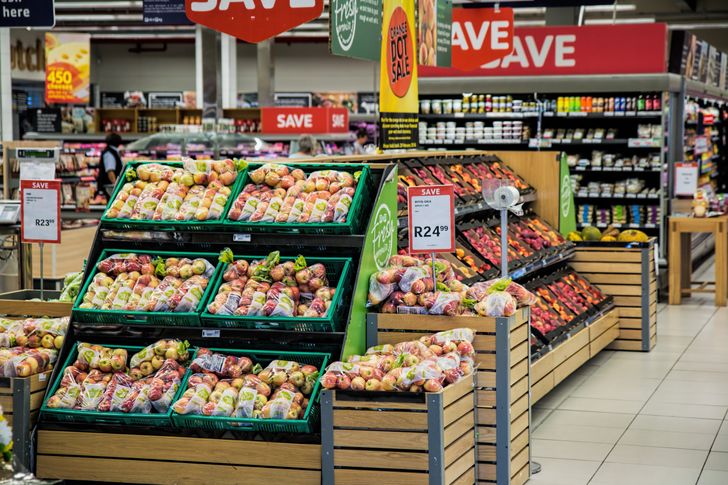
Pixabay / Pexels / For the quarter ending April 30, 2026, Walmart generated $177.8 billion in revenue, up 7.3% from the same period last year.
The figure came in ahead of analyst expectations of roughly $174.98 billion. The company also reported net income of $5.33 billion, an 18.8% increase from $4.49 billion a year earlier.
Adjusted earnings per share reached $0.66, matching Wall Street forecasts. Those results showed that Walmart continues to attract shoppers despite a challenging economic backdrop. The retailer benefited from steady customer traffic, strong grocery demand, and growth across several high-margin business segments.
Normally, a report like that would lift investor confidence. Instead, Walmart shares fell about 7% shortly after the earnings release and continued sliding over the following days. The stock suffered its worst four-day stretch in four years as investors reacted to management’s cautious outlook.
The concern centered on future earnings expectations. Walmart forecast second-quarter adjusted earnings per share between $0.72 and $0.74. The midpoint of $0.73 landed below analyst expectations of $0.75. The company also maintained its full-year adjusted earnings forecast of $2.75 to $2.85 per share, which fell short of the broader market consensus of $2.92.
Investors were hoping for stronger guidance after such a solid quarter. Instead, Walmart signaled that economic pressures remain a concern. That message shifted attention away from the strong results and toward the challenges that may lie ahead.
Fuel Prices are Creating Stress for Buyers
The most important takeaway from Walmart’s earnings report may not be found in the revenue figures. It came from management’s comments about customer behavior.
Chief Financial Officer John David Rainey described a divided consumer landscape. Higher-income shoppers continue to spend freely across many categories. Lower-income customers, however, are showing clear signs of strain as everyday costs rise.
One of the clearest indicators comes from Walmart’s fuel business. Rainey revealed that the average number of gallons purchased per transaction at Walmart gas stations dropped below 10 for the first time since 2022. That may sound like a small change, but it reflects a larger trend.
Consumers are buying less fuel at each visit because they are trying to stretch their budgets. Rising gasoline prices are forcing many households to become more cautious with spending. Every extra dollar spent at the pump leaves less money available for groceries, clothing, and household essentials.
Fuel costs have surged sharply over the past year. The national average gas price has climbed by about 42%, driven by disruptions in global oil markets and ongoing geopolitical tensions. As transportation costs increase, families with tighter budgets feel the impact first.
Rising Costs Could Push Prices Higher
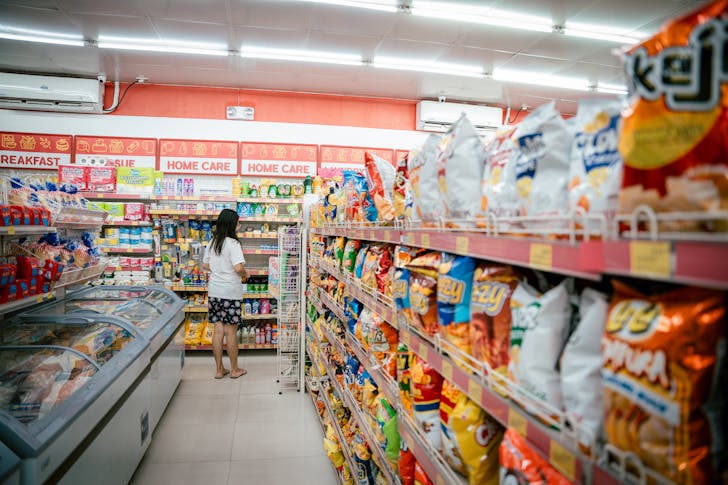
Ken / Pexels / The pressure from fuel prices is not limited to consumers. Walmart is also dealing with higher transportation and operating expenses.
During the first quarter, the company absorbed approximately $175 million in fuel costs that exceeded its original plans. That expense reduced operating income growth and created additional pressure on margins. Walmart has the scale to absorb some of these costs, but there are limits.
Management warned that continued fuel inflation may eventually force the company to pass some of those costs along to customers. Rainey indicated that shoppers could see somewhat higher retail price inflation during the second quarter and later in the year if current conditions persist.