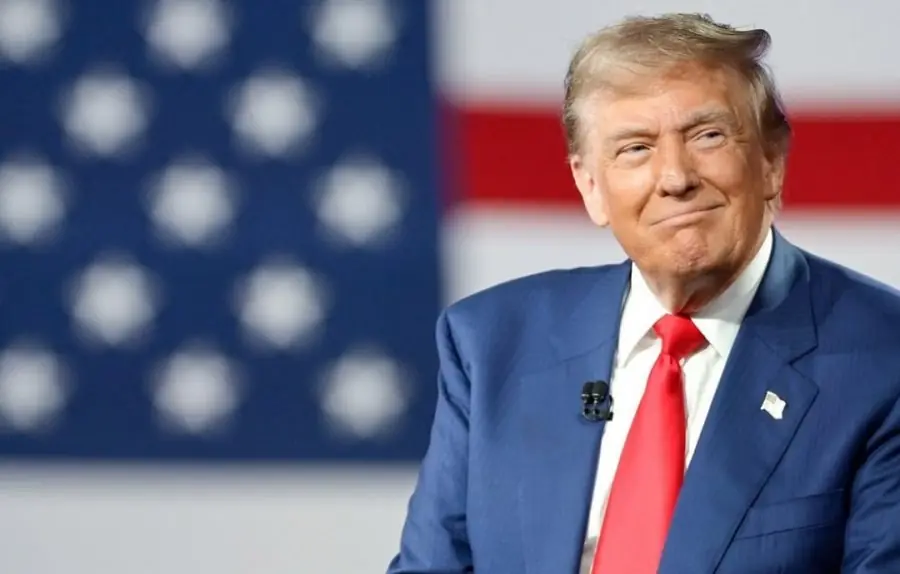
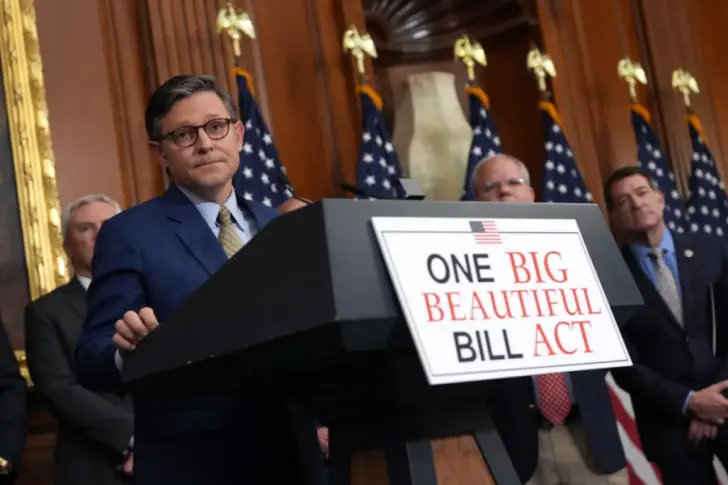
Trump’s new bill, called the “One Big Beautiful Bill Act,” is about to shake things up. The House Republicans already passed it, but the real story isn’t in the name. It is in what it does to your money.
The bill promises “tax cuts and economic growth.” But behind the curtain, it adds up to trillions more in national debt. Over $3 trillion, to be exact. That is not just a big number for the government. It is also a direct hit to your wallet.
GOP Rep. Thomas Massie calls this bill a “debt bomb ticking.” He says the math doesn’t work, and the promises are fantasy. And he is not wrong to worry. Independent studies from the Committee for a Responsible Federal Budget and the Penn Wharton Budget Model predict the bill could increase the debt by up to $3.8 trillion over the next ten years.
If you are thinking, “Well, that’s Washington’s problem,” think again. Higher debt affects interest rates, and interest rates affect you. Every single dollar you borrow, from credit cards to home loans, gets more expensive when the government spends like this.
Borrowing Just Got Pricier
Here is where it gets real for your personal finances. That massive national debt could push up Treasury yields. Treasury yields help set your mortgage rate, car loan rate, and even student loans.
A bump of just 0.6 percentage points in the 10-year Treasury yield could lift 30-year mortgage rates from 7% to 7.6%. That is hundreds more every month for homeowners. It means fewer people qualify to buy homes, and more people are stretched thin just trying to stay in them.
Credit card interest rates are also tied to this. The more debt we have, the riskier our economy looks to lenders. So they charge more. That is bad news if you carry a balance and live paycheck to paycheck.
Your Investments May Take a Hit
The financial pain doesn’t stop at loans. If you have money in a retirement fund or own any kind of bond-based investment, this bill could sting. As interest rates rise, the value of existing bonds drops. That means your portfolio shrinks while you’re not even touching it.
Things already got shaky. In May 2025, Moody’s downgraded the U.S. credit rating, which is Wall Street’s way of saying that this country is not as safe as it used to be.
Investors don’t like uncertainty. That can spook the markets and trickle down to your 401(k) or IRA fast.
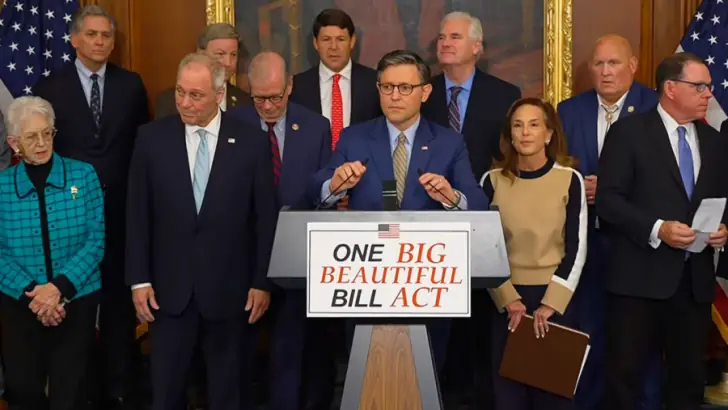
To help pay for all those cuts, the bill slices $1 trillion from safety-net programs. That includes Medicaid and SNAP, which help low-income families with healthcare and food. According to estimates, 14 million could lose health coverage, and 3 million could lose food aid.
So, unless you are sitting on a mountain of cash, this doesn’t help your personal finances. It just shifts money away from support systems and toward tax breaks that don’t reach the middle class.
Republicans say tariffs can balance the books. But economists aren’t buying it. Tariffs are unpredictable. They depend on international politics, trade agreements, and global reactions.
Tariffs can also backfire. If other countries respond with their own tariffs, U.S. goods get harder to sell. That hurts businesses, which hurts jobs, which hurts your income and your ability to keep up financially.