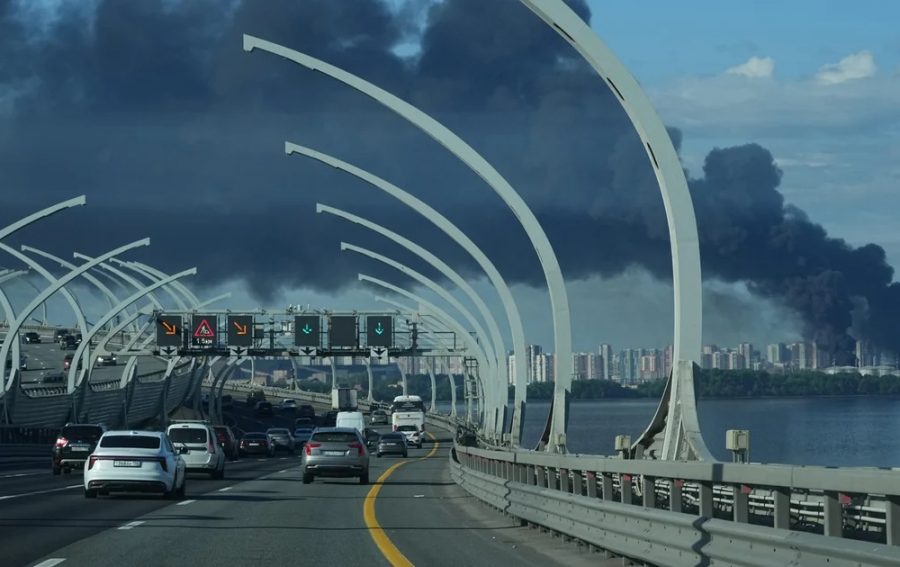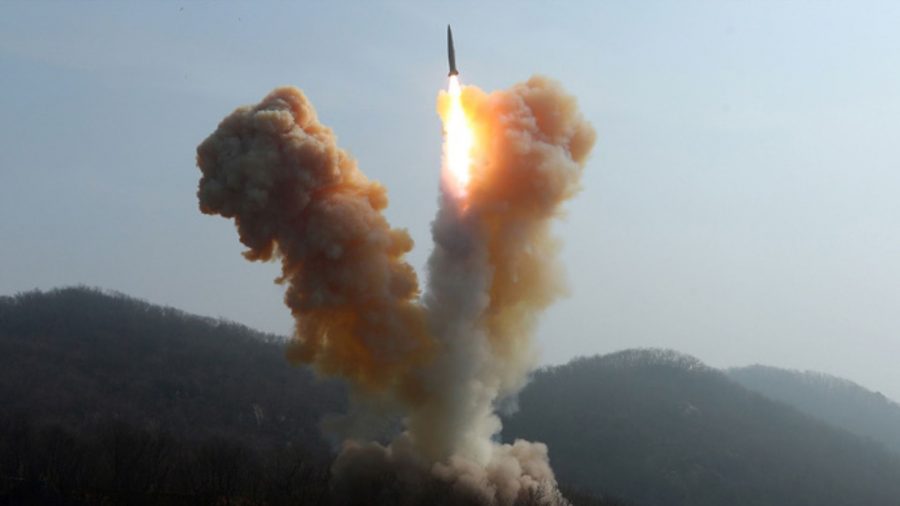
The deaths of three Indian seafarers in a United States military strike have triggered anger across India and opened a fresh diplomatic challenge for New Delhi. The incident took place aboard the oil tanker M/T Settebello as it traveled through the Gulf of Oman carrying Iranian oil. According to reports, a US aircraft targeted the vessel’s engine room, causing a fire and forcing a major rescue operation.
Three Indian crew members lost their lives, making them the first confirmed seafarers killed during Washington’s ongoing campaign against ships linked to Iranian oil exports.
The tragedy has struck a nerve across the country. Many Indians are asking why civilian sailors working on a commercial vessel became victims of a conflict far from home.
Questions have also emerged about the safety of thousands of Indian workers serving aboard merchant ships in one of the world’s most volatile regions. The incident has transformed from a maritime disaster into a political issue with international consequences.
A Diplomatic Storm Between India and the U.S.
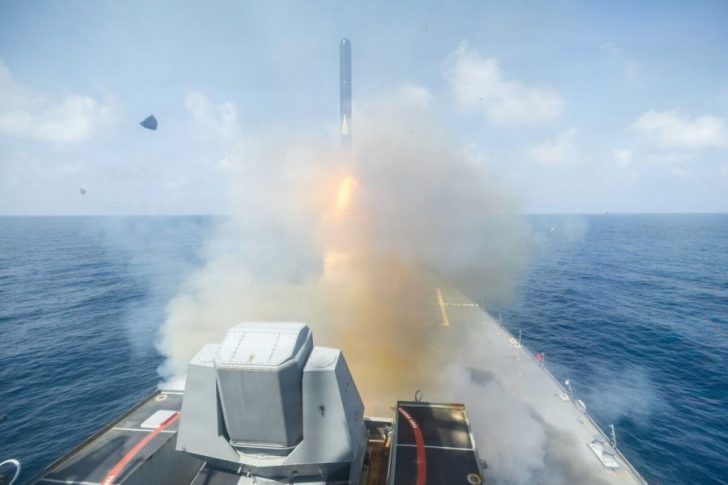
GTN / The Indian government lodged a formal protest and summoned a senior U.S. diplomat to express “serious concerns” over the attacks on commercial shipping.
Foreign ministry spokesperson Randhir Jaiswal publicly called for the strikes to stop and urged all sides to return to dialogue. New Delhi’s response reflected growing frustration over repeated incidents involving Indian crews in the region.
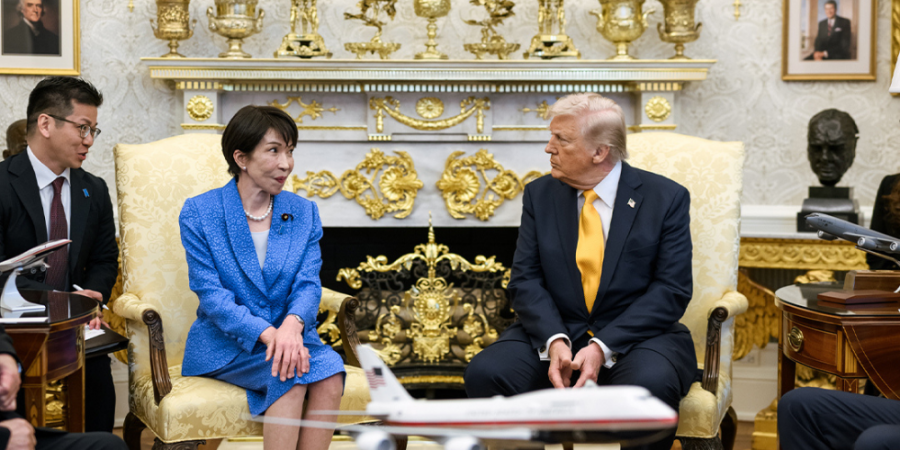
The timing could hardly be more sensitive. Prime Minister Narendra Modi is expected to meet US President Donald Trump during the G7 summit, placing the issue directly on the agenda. Political observers say the deaths have complicated “an already delicate relationship.” What might have been a routine diplomatic meeting now carries added pressure and public scrutiny.
Many labor organizations have demanded a stronger response. Union leaders argue that the government must defend Indian workers operating in international waters. Opposition parties have also seized on the issue. Critics say the incident will test India’s ability to protect its citizens abroad while maintaining close strategic ties with Washington.
Families Demand Answers After Tragic Loss
TOI / Relatives of the deceased sailors have called for transparency about what happened during the attack.
They want to know what warnings were issued, what rescue efforts followed, and why civilian crew members were placed in such danger.
One grieving father publicly demanded the return of his son’s remains and asked officials to explain his final moments. His plea has resonated with many Indians who see the tragedy as more than a geopolitical dispute.
The deaths have highlighted the risks faced by merchant sailors. Unlike military personnel, commercial seafarers often find themselves caught between larger political forces without any role in the conflicts around them.
India supplies one of the world’s largest merchant shipping workforces. More than 300,000 Indian seafarers work across global shipping routes, and thousands are stationed in Gulf waters. That large presence means any escalation in the region creates immediate concern for Indian families and shipping companies.
The anxiety deepened because the Settebello was not the only vessel involved.
Just a day before the fatal strike, another tanker carrying Indian sailors required rescue after an attack. A third tanker with an Indian crew was also targeted, though all crew members on that vessel were reported safe. These incidents have raised fears that Indian sailors are increasingly exposed to danger.
Seafarers’ unions say panic is spreading among crews working in the Gulf region. Some sailors reportedly feel trapped aboard ships operating through conflict zones.