Inflation is back in the spotlight, and Americans are feeling it everywhere. Gas stations are charging more. Grocery bills keep climbing. Rent refuses to cool down. The latest Consumer Price Index report showed inflation jumping to 3.8% in April 2026, the highest level since May 2023. That figure came in sharply above March’s 3.3% reading and caught both markets and households off guard.
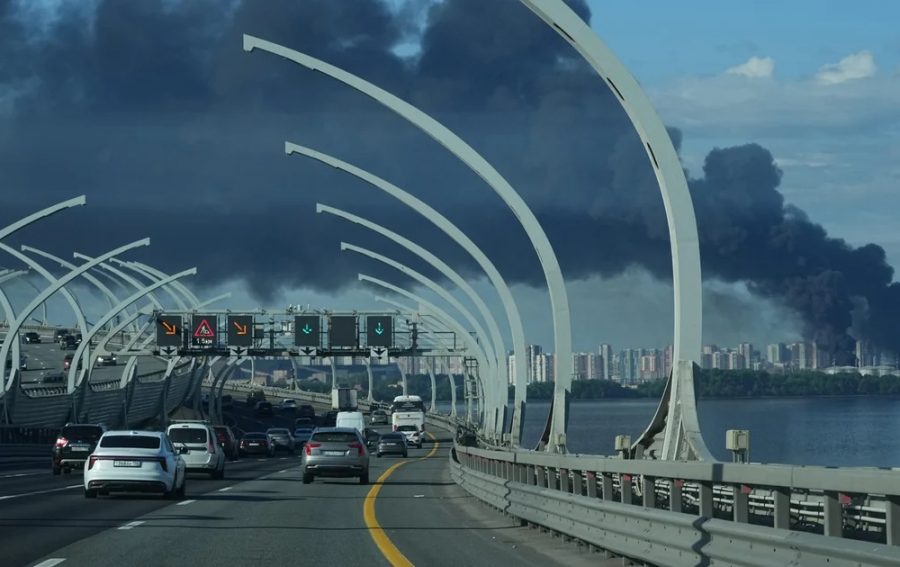
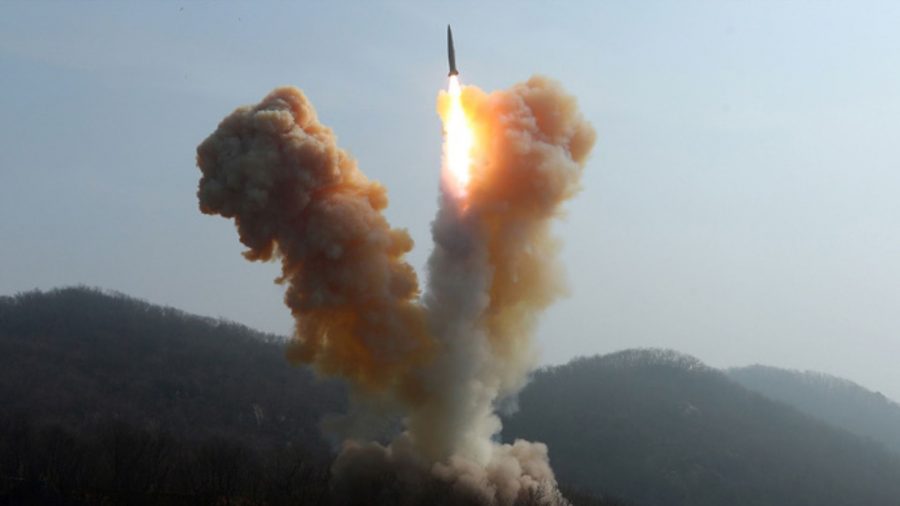
However, this sudden rise did not happen in a vacuum. The growing conflict involving Iran and the United States has rattled global energy markets. Oil traders reacted fast, pushing crude prices above $100 per barrel after shipping disruptions hit the Strait of Hormuz. Since roughly 20% of global oil passes through that narrow route, even small disruptions can shake the world economy.
Energy prices exploded almost overnight. Costs surged 17.9% in April alone and accounted for more than 40% of the monthly inflation increase. Americans are now paying more to drive, heat homes, and transport goods. Businesses are also passing those higher fuel costs directly to customers.
Oil Prices are Fueling More Than Gas Bills
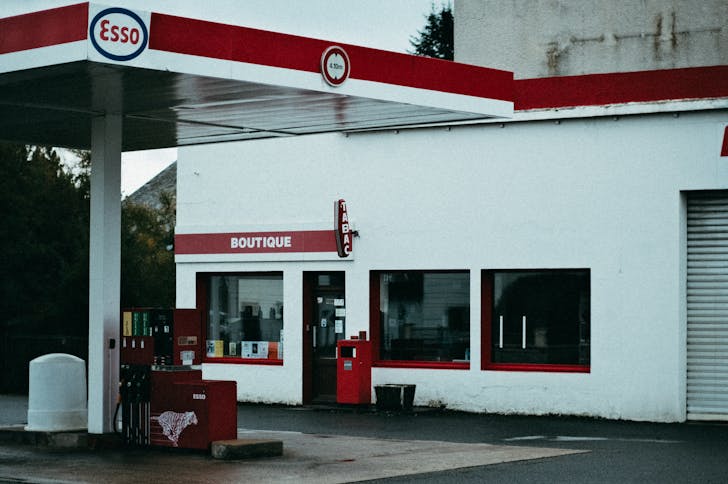
Matre / Pexels / Higher oil prices rarely stay confined to the gas pump. They spread through the economy quickly.
Trucking companies pay more for diesel. Airlines raise ticket prices. Manufacturers spend more on shipping products. Grocery stores then charge shoppers more to cover transport expenses.
This ripple effect is already showing up in wholesale inflation data. The Producer Price Index climbed 6.0% compared to last year, marking the fastest rise since late 2022. That matters because wholesale costs usually hit consumers a few months later. Businesses often absorb some costs at first, but eventually prices rise across the board.
The inflation pressure is also broader than many economists expected. Core CPI, which excludes food and energy, rose 0.4% in April and reached 2.8% annually. Analysts hoped inflation outside energy would remain stable, but that has not happened.
An even more closely watched measure called Supercore CPI continues climbing above 3%. This index strips away housing and energy to track underlying inflation trends. Economists watch it carefully because it shows whether inflation is becoming deeply embedded in the economy.
Several major financial firms believe this trend could stick around longer than people expect. Analysts at State Street say the global economy is changing in ways that naturally create higher prices. Supply chains are shifting away from overseas dependence. Countries are rebuilding domestic manufacturing. Companies are also spending heavily on AI infrastructure and technology projects, increasing demand for raw materials and industrial equipment.
Morgan Stanley warned that three separate pressures are now hitting consumers at once. Tariffs remain elevated. Energy prices continue climbing. Housing inflation has also stayed stubbornly high. Together, those factors are creating a difficult environment for the Federal Reserve.
American Families are Losing Ground

Misbaa / Pexels / For nearly two years, wage growth stayed ahead of inflation. Workers could at least keep pace with rising prices. That streak ended in April.
Average hourly earnings rose 3.6% over the past year, but inflation climbed even faster at 3.8%. That means real wages turned negative for the first time since April 2023. Americans are technically earning more money, but that money now buys less.
Lower-income households are facing the toughest squeeze. Families already spending most of their paychecks on essentials have little room to absorb higher prices. Gasoline, rent, food, and utilities consume a larger share of their income compared to wealthier households.
Many shoppers are already adjusting their behavior. Consumers are cutting back on restaurant visits and delaying major purchases. Discount retailers are seeing stronger traffic as shoppers hunt for cheaper alternatives. Travel spending has also slowed in some areas as airline fares climb alongside fuel prices.
Surveys now show Americans expect inflation to hit 4.50% over the next year. Those expectations matter because they can influence spending habits and wage demands. Once people assume prices will keep rising, inflation becomes harder to control.