The war in Ukraine has become a testing ground for modern military technology. Drones now handle missions that once required expensive aircraft and large crews. Artificial intelligence has also become a major part of battlefield planning, especially when electronic attacks make traditional navigation unreliable.
Recent reports show that American-developed technology is helping Ukraine improve its drone operations. The support focuses on reconnaissance, navigation, and battlefield awareness instead of directly controlling strike drones. That difference matters because Ukraine continues to build many of its own attack drones while relying on advanced software to make those missions more effective.
AI Is Helping Drones Fly Through Electronic Warfare

E Online / One of the biggest threats facing drones is electronic warfare. Russian forces regularly jam GPS signals and disrupt communications.
That makes it much harder for drones to reach their targets or send useful information back to operators.
American defense company Shield AI has developed software that helps solve this problem. Instead of relying only on GPS, the system uses onboard cameras and sensors to understand its surroundings. The drone can continue flying even after losing satellite navigation, making reconnaissance missions much more reliable.
This technology gives drone crews more confidence when operating over hostile territory. A mission does not immediately fail because a signal disappears. The aircraft can continue collecting valuable intelligence before safely returning home.
That capability has become increasingly important as electronic warfare grows more advanced. Modern battlefields are filled with signal interference, making autonomous navigation one of the most valuable tools available today.
Finding Targets Before a Strike Begins
Reconnaissance remains one of the most important parts of any military operation. Before launching an attack, commanders need accurate information about enemy positions, air defenses, supply routes, and military equipment.
The American software highlighted by CBS News supports this stage of the mission. Reconnaissance drones gather images and other battlefield data before Ukrainian strike drones begin their flights. That information helps planners choose safer routes and identify worthwhile military targets.
The technology does not guide explosive drones during attacks. Instead, it improves the intelligence that supports military planning. Better information often leads to better decisions and reduces unnecessary risks during complex operations.
This approach also allows Ukraine to combine American software with its own growing drone industry. Each side contributes different strengths while supporting the same overall objective.
Ukraine’s Drone Industry Keeps Expanding
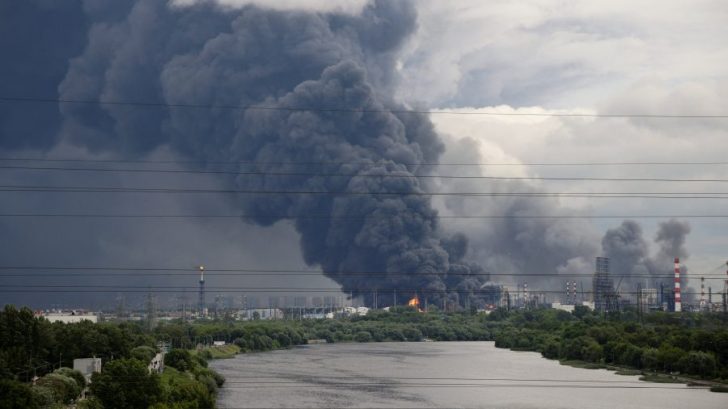
Kyiv Independent / Ukraine has invested heavily in domestic drone production since the war began.
Small companies and defense manufacturers have worked together to build aircraft that can travel hundreds of miles and reach military sites deep inside Russia.
These drones have targeted air bases, ammunition depots, radar systems, fuel storage facilities, and defense factories. Military planners believe those operations increase pressure on Russia by forcing it to protect important infrastructure far from the front lines.
Long-range drones also offer another advantage. They cost far less than many traditional missiles while still reaching strategic targets. That makes them an attractive option during a prolonged conflict where resources remain limited.
However, AI does much more than keep drones in the air. It also helps organize the large amount of information collected during reconnaissance missions. Cameras, sensors, and surveillance equipment produce enormous amounts of data that must be reviewed quickly.
It speeds up that process by helping identify military equipment, potential threats, and changes on the battlefield. Faster analysis gives commanders more time to make decisions before conditions change.