India’s latest BRICS summit arrived with far more at stake than another round of speeches and handshakes. The 18th BRICS Summit brought leaders from the expanded group to New Delhi on September 12 and 13, 2026, with conflict in the Middle East hanging over the meeting.
The Iran war created an especially difficult diplomatic problem. Iran and the United Arab Emirates both belong to BRICS, but the conflict had sharply strained relations between them. Getting every member behind a joint declaration therefore became an early test of how the larger bloc handles serious disagreements.
BRICS now includes Brazil, Russia, India, China, South Africa, Egypt, Ethiopia, Iran, Indonesia, Saudi Arabia and the United Arab Emirates. Together, the 11 countries represent nearly half of the global population and around 40 percent of global economic output.
That size gives BRICS substantial economic reach, but expansion has also made agreement harder. Members have different security concerns, economic interests, and relationships with Western governments. The New Delhi summit showed both sides of that changing BRICS identity.
The Iran War Put BRICS Consensus Under Pressure
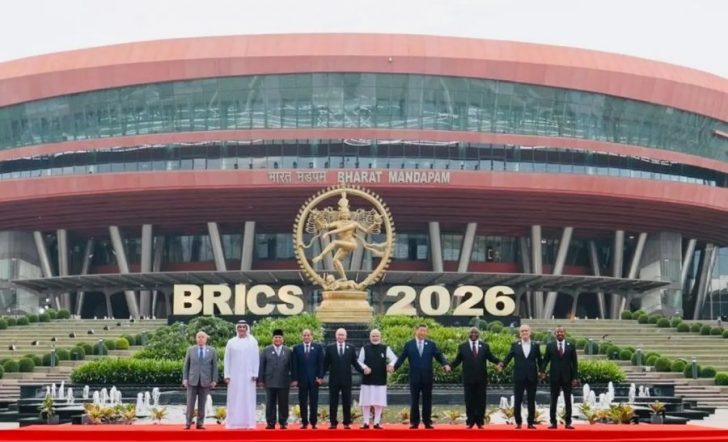
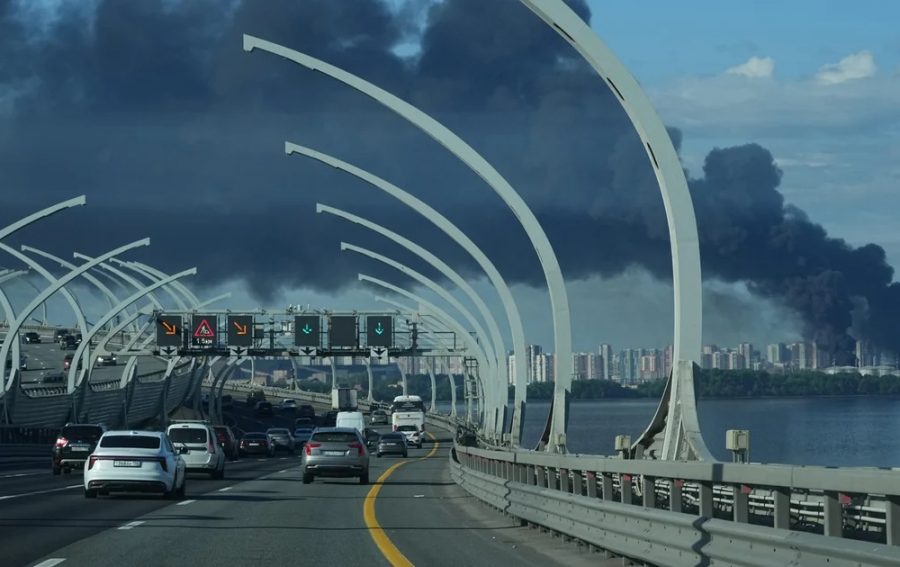
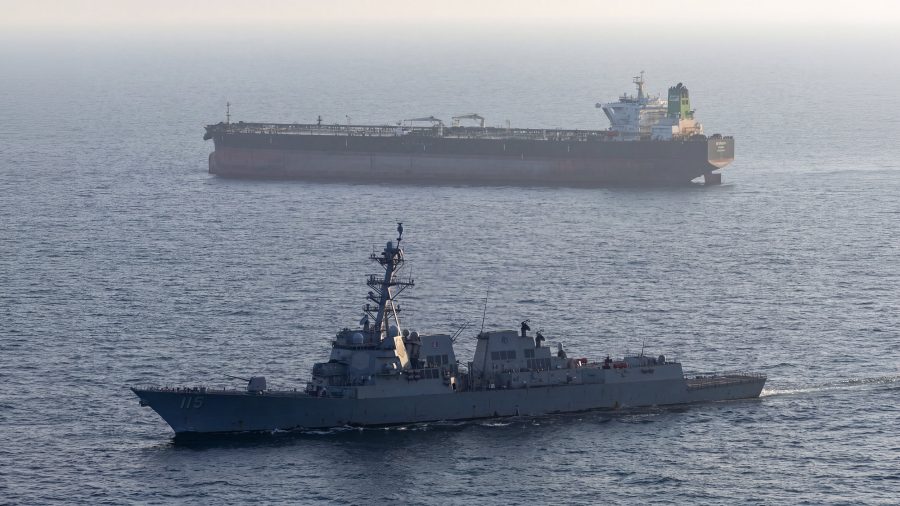
BRICS / IG / The Middle East war had disrupted energy markets and increased concern about shipping through the Strait of Hormuz, one of the most important routes for global oil supplies.
Oil prices had climbed above $100 a barrel amid the disruption. That added an economic problem to an already difficult diplomatic situation. Several BRICS countries rank among the world’s major energy producers or consumers, making instability in the region impossible to treat as a distant issue.
Iran’s presence inside BRICS made the challenge even more immediate. The UAE had cut ties with Tehran after Iranian missile attacks, according to Reuters. Both governments then arrived at a summit where decisions and major declarations generally depend on consensus.
Despite those tensions, the 11 members agreed on a joint declaration. Iran and the UAE backed language urging restraint in the Middle East and stressing the importance of international law, sovereignty and territorial integrity. The New Delhi Declaration also raised concerns about civilian safety and civilian infrastructure. BRICS leaders addressed the security of nuclear facilities as well, an issue carrying obvious importance during a conflict involving Iran.
Another significant moment came through direct contact between Iran and the UAE. Reuters reported that representatives held their highest-level meeting since the war. The talks did not erase their disputes, but the BRICS summit provided a rare diplomatic setting for direct engagement.
The declaration also criticized unilateral sanctions that lack authorization from the United Nations Security Council. Sanctions have long been a major concern for countries such as Russia and Iran, while other BRICS members maintain extensive economic relationships with the United States and Europe.
India, China and Russia Focus on a Bigger BRICS Role
Indian Prime Minister Narendra Modi used the New Delhi summit to promote a greater voice for developing economies. Modi argued that the Global South should play a larger part in shaping international rules rather than simply following decisions made elsewhere.
Chinese President Xi Jinping pushed for deeper economic and technology cooperation. Xi promoted what Beijing calls a “Greater BRICS” framework and proposed initiatives involving artificial intelligence, special economic zones and international services trade.
China is set to take over the BRICS chairmanship after India. That transition puts Beijing in a strong position to keep economic integration, technology and trade cooperation high on the group’s agenda. Xi’s visit also carried importance for India-China relations. The Chinese president returned to India for the first time in seven years. The two countries have been rebuilding high-level engagement while continuing to manage major strategic differences.
Russian President Vladimir Putin also used the summit to support a larger role for BRICS in global affairs. Russia has expanded trade with China, India and other non-Western economies as Western sanctions have restricted many traditional economic links since the invasion of Ukraine.
Trade and Digital Payments Became Major Focus
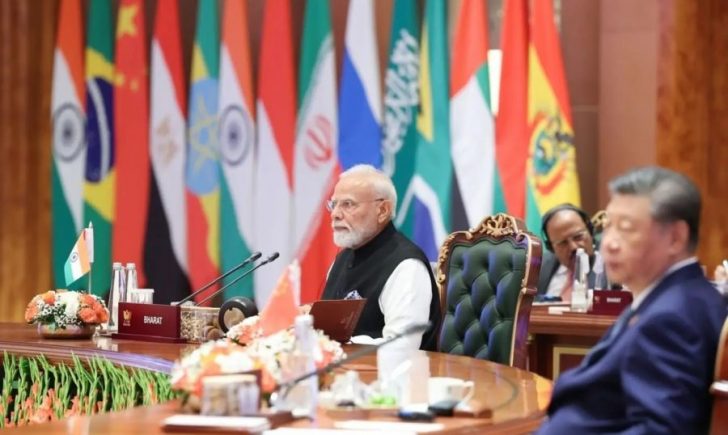
BRICS / IG / India has encouraged BRICS countries to explore better links between digital currencies, national payment systems and cross-border financial networks.
The idea could make transactions between member economies faster and easier. It could also reduce some dependence on existing international payment channels, particularly for trade conducted directly between BRICS members.
India and China also differ over parts of the proposed financial infrastructure. New Delhi has resisted using China’s mBridge platform as the foundation for a broader BRICS payment network.